Historical Fiction
Coming of Age in the 1960s and 1970s
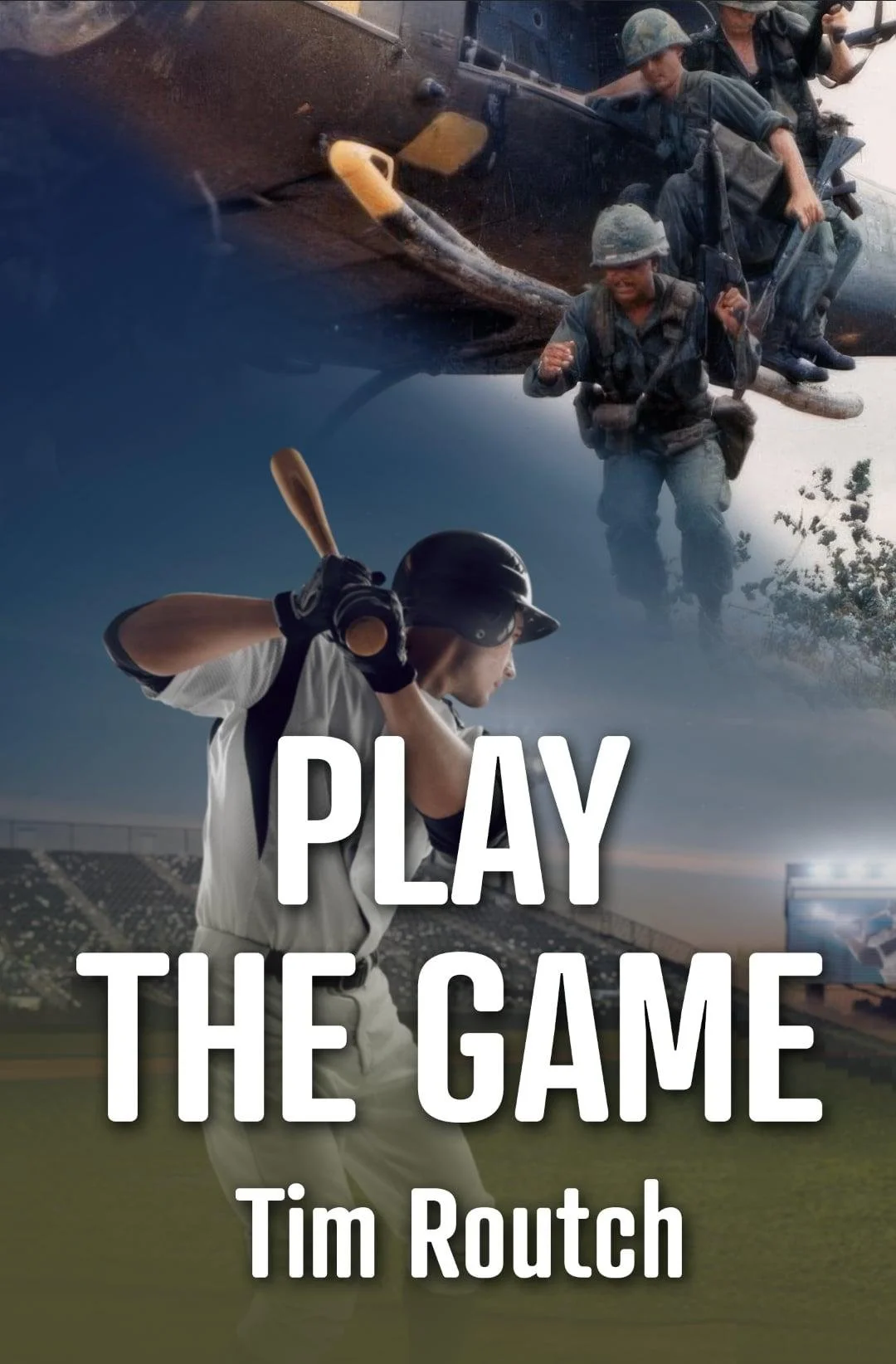
a gripping and sensitive story ABOUT Coming of age during a PERIOD OF UNREST in American history. Colorful characters and witty dialogue bring the story to life and leave us reflecting on the circumstances that shape who we become

In the wide-open plains of rural Texas, dreams are as big as the sky and just as unpredictable.
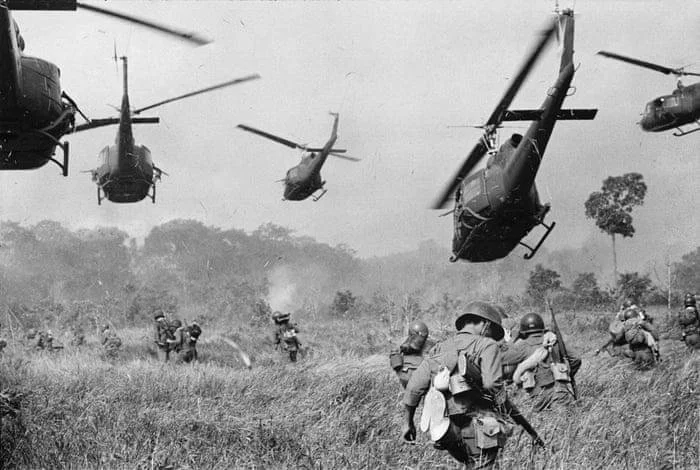
Ryan Hutson comes of age during the social and cultural storms of the 60s and 70s, where baseball is more than a pastime—it’s his dream. After a decade of youthful mischief, hard lessons, and small-town hilarity, Ryan finally gets what he’s always wanted: a call from the major leagues.
But fate throws a wicked curveball. Instead of stepping onto a big-league diamond, Ryan is drafted into the Vietnam War. What follows is a whirlwind journey that sends him far from home and deep into a series of unexpected capers—some dangerous, some absurd, all life-changing. Through the chaos of the 70s, Ryan clings to the rare things that feel solid in an unsteady world: the unwavering loyalty of his friends and the love of a woman who believes in him even when he struggles to believe in himself.
As he stumbles, laughs, and charms his way through life, Ryan discovers that survival takes more than luck—it takes heart.
Rich in detailed history of the era, culture and events, and packed with witty dialogue, humor, and a cast of unforgettable oddballs; this is a story about chasing dreams, facing history, and finding yourself in the most unlikely of places.
A spirited and emotional journey filled with equal parts heartache, hijinks, and hope.
ABC News Review: Tim Routch explores Vietnam era with debut novel “Play the Game”
CHARLESTON SC (WCIV) - In a story of love, loss and more to gain, Tim Routch’s “Play the Game” uses the coming of age of Ryan Hutson to push forward another take on the mid-20th century and the generation that stood up against the Vietnam War.
Central to the story is its quintessential Americanness. Baseball serves as a motif for the American dream at a point in time when the game defined much of American life. The war reflects the often experienced and seldom seen unknowns that prolong the journey toward the dream.
“Play The Game” details a period of American history that saw social upheaval, difficult Civil Rights gains, and several sacrificed at the altar of attempting to uphold the status quo. Through Hutson — and characters like Anne Marie and Trey — readers are thrust into a world where morals mattered, one’s word mattered, and most tried to do what was right in the face of repression. “And it’s one, two, three, what are we fighting for?”
Ian Kayanja ABC News
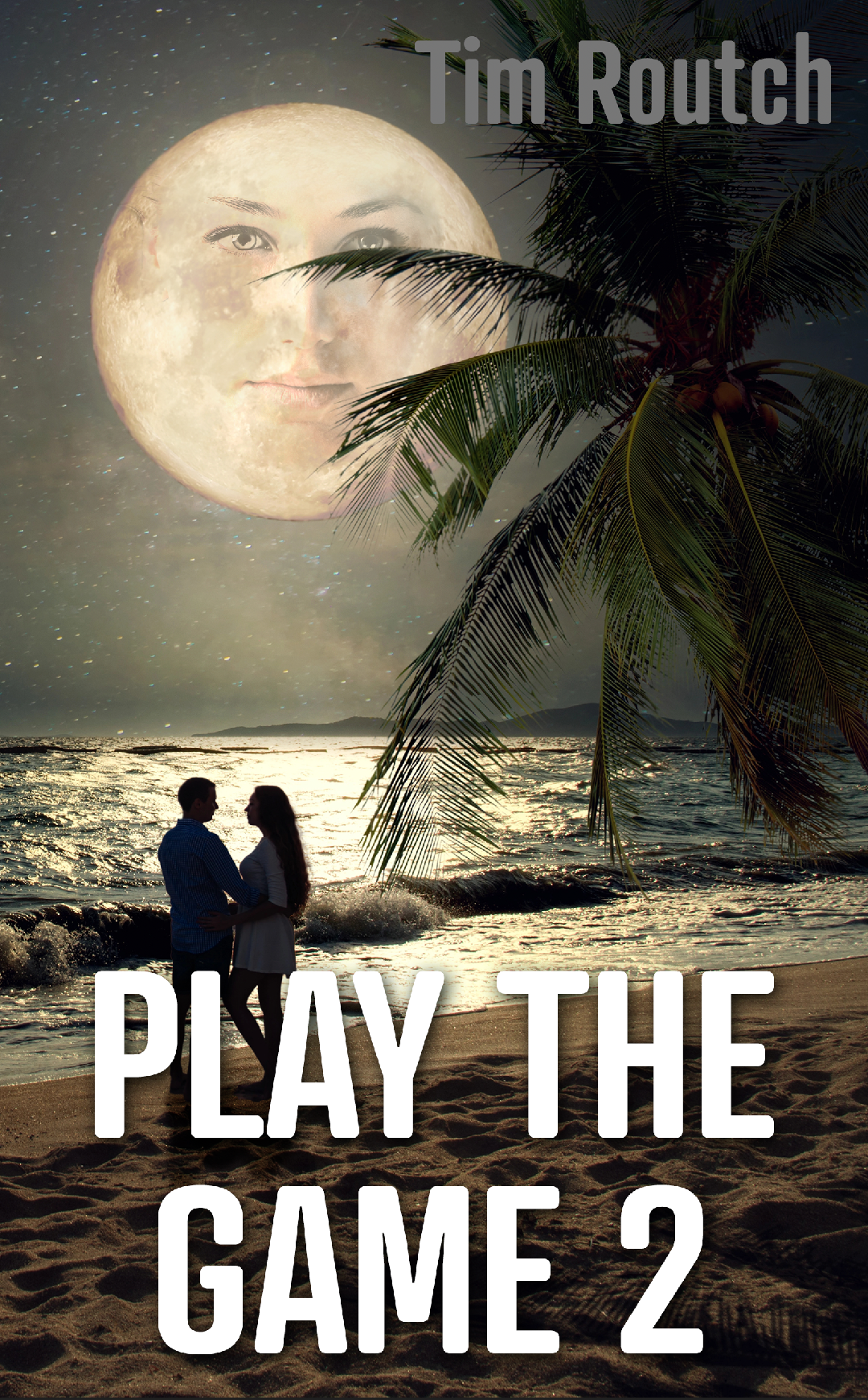
The saga continues. . .
Ryan returns home after the Vietnam War to pursue his dream of playing professional baseball. He grinds through the dusty, forgotten diamonds of the minor leagues—long bus rides, small towns, and oddball teammates—before getting the call every ballplayer waits for.
The majors bring instant glory, but the spotlight comes with painful costs: a devastating injury and the heartbreaking loss of the woman he loves. Spiraling, he slips into drinking, restless nights and bad decisions.
But life has a way of pitching second chances. As Ryan stumbles toward a purpose beyond fame and a love deeper than regret, he learns that redemption—much like baseball—requires patience, courage, and the willingness to swing again.
His turning point arrives in an unexpected relationship and a rediscovery of what life and love—truly mean to him. With humor, sharp banter, and a cast of colorful characters, this emotional tale tracks a proud man’s stumble toward purpose, redemption, and a love worth fighting for.


meet the author
I was raised in a military family. By the time I graduated high school, we lived in two foreign countries and five different states. Growing up in the 1960’s was a care-free lifestyle. We didn’t have electronic devices so we had to knock on someone’s door to see if they could out and play. Toys were simple. We played kick the can, marbles and attached baseball cards, which are probably worth a thousand dollars today, to the spokes of our bikes with a clothes pin. Today’s grandmas wore hot pants, mini-skirts and go-go boots back in the day. We drank from the garden hose, and never wore helmets when we roller skated or rode our bikes.
By the time I was in high school, the Vietnam War was at its peak. I missed the draft by a year. My dad and brother each did a tour in Southeast Asia. Fortunately they returned intact. Most everybody at the time knew a family that lost someone in the war.
I went from high school in rural New Jersey to The Ohio State University, where I completed graduate studies in Environmental Sciences and Management. My first job out of college I worked in the West Texas oilfields. I spent countless hours on the platforms of drilling rigs or fifty feet up on a derrick. Eventually I transferred to an administrative position in Tulsa. Shortly thereafter the industry crashed, prompting President Reagan to declare towns such as Tulsa and Houston disaster areas. The unemployment rate shot-up twenty-five percent overnight in Tulsa. I lost my job and it took me almost a year to find another. I beat out more than one hundred other applicants for a job in Environmental Sciences. I performed environmental and process engineering for three years, before I was promoted into sales and business management. Later I formed my own company performing environmental investigations and remediation.
Several years later, the banking and real estate crisis hit, and the stock market took a nose-dive. I lost the business, but I had money saved. The next couple years I traveled to Europe, Tahiti, Australia, took up golf, skied, scuba dived, and played on as many softball teams as I could. That’s when I decided it was time to write a book.
Following 9-11 and after several years of leisure; I accepted a position with the Department of Homeland Security in the Virgin Islands. Living on an island in the Caribbean provided ample opportunity to sit on a beach, under a palm tree, and contemplate life. That’s when the writing of “Play the Game” got serious. I intermingled my writing between visiting almost every island in the Caribbean and most countries in Central America. By the way, reach out if you want advice on visiting the Caribbean.
One of my fondest memories of St. Thomas includes sitting on my deck grilling dinner and watching the sun set behind the western islands. Laidback experiences such as this are referred to as “Limin” in the islands. During these inspirational moments, a feral cat would routinely visit me and I would share whatever I was grilling with her. After a couple months, and on her very last visit to me, she brought her kitten and dropped it at my feet. Well Spook (slang for an undercover CIA agent) is still sleeping at the foot of my bed fifteen years later. She’s closest I ever came to being a father.
After ten years of island living, I was offered a position with Homeland Security in Charleston, South Carolina. I retired after five years in Charleston and still live here today. During my time since retirement, I finished my very long-winded novel. It ended up being almost 400,000 words, which prompted me to break it into two novels. Play the Game is available now on Amazon for your reading pleasure. Play the Game 2 will be available January 2026. I hope you enjoy reading them as much as I enjoyed writing them. Please leave your comments. I’d love to hear from you.